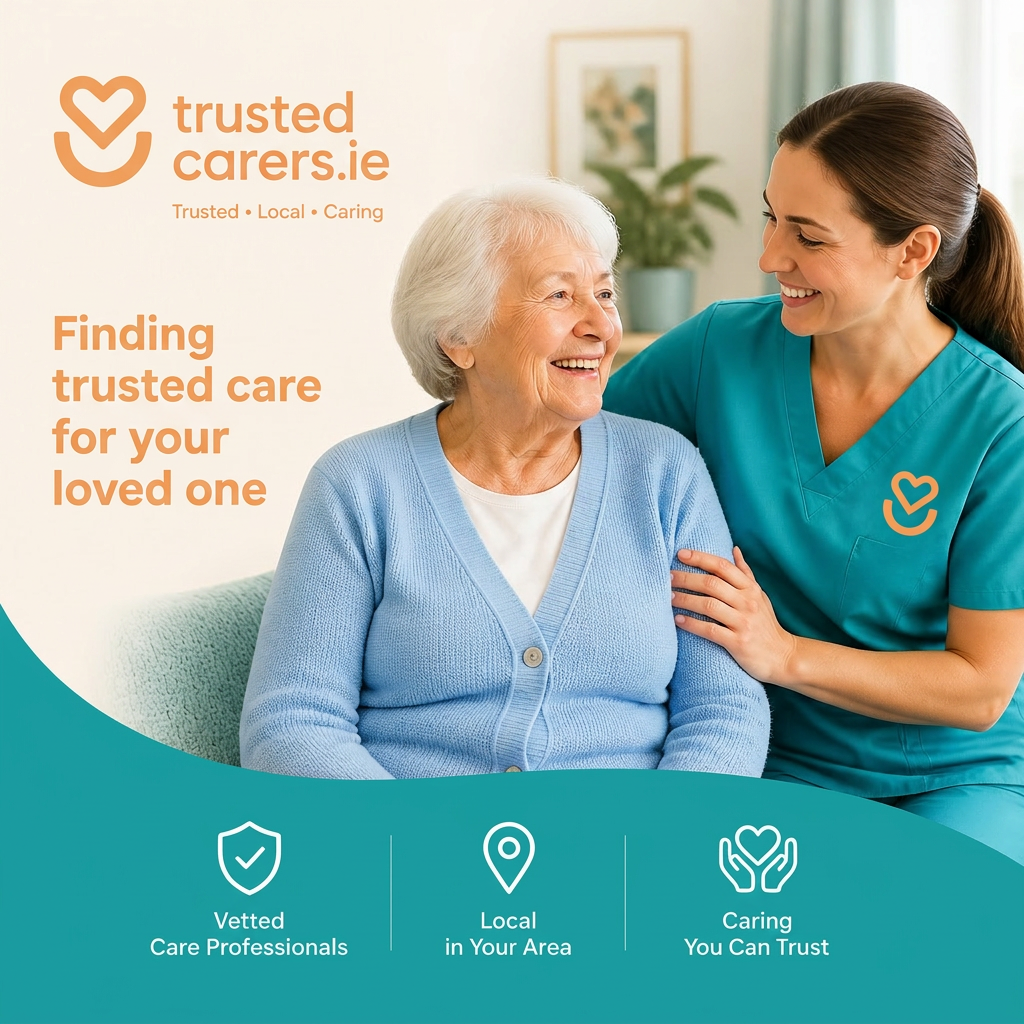
A Complete Guide for Families in Ireland
As our parents, grandparents, and older relatives age, many families face one of life’s most important decisions: how to ensure a loved one receives the care, support, and companionship they need while maintaining their independence and dignity.
For many older people, remaining in their own home for as long as possible is their preferred choice. Familiar surroundings, treasured possessions, neighbours, and established routines can contribute significantly to emotional wellbeing and quality of life. With the right support in place, many elderly people can continue living safely and comfortably at home for years.
This guide explains the options available to families in Ireland, the types of home care services available, and how to create a safe and supportive environment for an ageing loved one.
Understanding the Care Needs of an Elderly Loved One
Every individual’s needs are different. Some older adults remain highly independent and only require occasional assistance, while others may need daily support with personal care, mobility, or medical conditions.
The first step is to assess what help is required in the following areas:
Personal Care
Many elderly individuals may need assistance with:
- Bathing and showering
- Dressing
- Grooming and hygiene
- Toileting
- Mobility around the home
Household Support
Daily household tasks can become increasingly challenging with age. Assistance may be required with:
- Cleaning
- Laundry
- Grocery shopping
- Meal preparation
- Household maintenance
Companionship
Loneliness and social isolation can have a significant impact on both physical and mental health.
Regular companionship can help provide:
- Social interaction
- Emotional support
- Mental stimulation
- Reduced feelings of isolation
- Improved overall wellbeing
Medication Management
Many older people take multiple medications. Support may be required to ensure medications are taken correctly and on time.
Mobility Assistance
Support with walking, transfers, transportation, and attending appointments can help maintain independence and reduce the risk of falls.
Specialist Care
Some individuals may require more specialised support due to:
- Dementia
- Alzheimer’s disease
- Parkinson’s disease
- Stroke recovery
- Arthritis
- Reduced mobility
- Chronic health conditions
Signs That Additional Support May Be Needed
Families often wonder when it is time to seek help.
Some common warning signs include:
- Frequent falls or near misses
- Difficulty preparing meals
- Weight loss or poor nutrition
- Missed medications
- Poor personal hygiene
- Forgetfulness
- Increasing confusion
- Difficulty managing finances
- Social withdrawal
- Unexplained bruises or injuries
- An untidy or unsafe home environment
Recognising these signs early can prevent small issues from becoming serious problems.
Home Care Services Available in Ireland
There are a wide range of care services available that can be tailored to suit individual needs.
Home Help Services
Home help focuses primarily on practical support around the home.
Tasks may include:
- Housekeeping
- Laundry
- Shopping
- Meal preparation
- Light domestic duties
This type of support is often suitable for older adults who remain relatively independent but require assistance with day-to-day tasks.
Personal Care Assistants
Personal care assistants provide hands-on support with daily living activities.
Services may include:
- Washing and bathing
- Dressing
- Toileting support
- Mobility assistance
- Personal hygiene
Companionship Care
Companionship care focuses on social interaction and emotional wellbeing.
Companions may:
- Visit regularly
- Share meals
- Accompany clients on walks
- Attend appointments
- Engage in hobbies and activities
- Provide conversation and friendship
Overnight Care
Some families choose overnight care when a loved one requires supervision during the night.
This can provide reassurance for families while helping older adults remain safely at home.
Live-In Care
Live-in carers reside in the home and provide ongoing support throughout the day.
This option can be suitable for individuals with more complex needs who wish to avoid moving into residential care.
Dementia Care
Specialist dementia carers understand the unique challenges associated with memory loss and cognitive decline.
Support may include:
- Routine management
- Personal care
- Safety supervision
- Cognitive stimulation
- Emotional reassurance
Creating a Safe Home Environment
Home safety is one of the most important aspects of elderly care.
Simple modifications can significantly reduce the risk of accidents and injuries.
Preventing Falls
Falls are one of the leading causes of injury among older adults.
Consider:
- Removing loose rugs
- Improving lighting
- Installing handrails
- Adding grab bars in bathrooms
- Keeping walkways clear
- Using non-slip flooring where possible
Bathroom Safety
Bathrooms can present significant risks.
Helpful additions include:
- Grab rails
- Shower seats
- Raised toilet seats
- Non-slip mats
Emergency Planning
Families should ensure:
- Emergency contact numbers are easily accessible
- Smoke alarms are working
- Carbon monoxide detectors are installed
- Medical information is readily available
- Mobile phones or emergency alarms are accessible
Medication Safety
Medication organisers and reminder systems can help prevent missed doses or medication errors.
Balancing Independence and Safety
One of the greatest challenges families face is finding the balance between protecting a loved one and preserving their independence.
Older adults often value their ability to make decisions and maintain control over their daily lives.
Encouraging independence where possible can help:
- Maintain confidence
- Support mental wellbeing
- Promote physical activity
- Preserve dignity
Families should involve elderly relatives in care decisions whenever possible and respect their preferences and wishes.
Supporting Emotional Wellbeing
Physical care is only one part of caring for an elderly loved one.
Emotional wellbeing is equally important.
Ways to support emotional health include:
- Encouraging social interaction
- Facilitating visits from family and friends
- Supporting hobbies and interests
- Promoting physical activity
- Providing companionship
- Maintaining regular routines
Loneliness can have serious health consequences, making companionship care an increasingly important service for many older adults.
When Family Care Alone Is No Longer Enough
Many families initially provide care themselves. However, as care needs increase, family carers can experience significant stress and burnout.
Common signs include:
- Physical exhaustion
- Sleep deprivation
- Emotional strain
- Reduced work productivity
- Relationship difficulties
- Anxiety and depression
Seeking professional support is not a sign of failure. In fact, it often enables families to provide better care while protecting their own wellbeing.
Even a few hours of support each week can make a significant difference.
Finding the Right Carer
Choosing the right carer is one of the most important decisions a family can make.
Families should consider:
- Experience
- Qualifications
- References
- Personality fit
- Availability
- Communication skills
- Specialised care experience
It is equally important that the elderly person feels comfortable and develops trust with their carer.
How TrustedCarers.ie Can Help
TrustedCarers.ie helps families across Ireland connect with carers who provide a wide range of elderly care services.
Families can search for carers based on their location, experience, availability, and the type of support required.
Whether you need occasional home help, companionship visits, personal care assistance, dementia support, or ongoing care arrangements, TrustedCarers.ie provides a simple way to find suitable carers and begin building the right support network for your loved one.
By connecting families with carers directly, TrustedCarers.ie helps older adults remain independent, safe, and comfortable in their own homes for longer.
Caring for an elderly loved one at home can be both rewarding and challenging. With proper planning, the right support services, and a focus on safety and wellbeing, many older adults can continue enjoying the comfort and familiarity of home while receiving the care they need.
No family should feel they must manage everything alone. Home help, companionship, personal care, and specialist support services can all play an important role in helping older adults maintain their independence and quality of life.
The key is recognising when support is needed and putting the right care plan in place before a crisis occurs. By taking a proactive approach and accessing trusted care resources, families can create a safe, supportive, and dignified environment for their loved ones as they age.